The Micro-Credential Strategy: Make Any Study Abroad Degree More Valuable
Pupil Abroad
2025-12-18
5 min
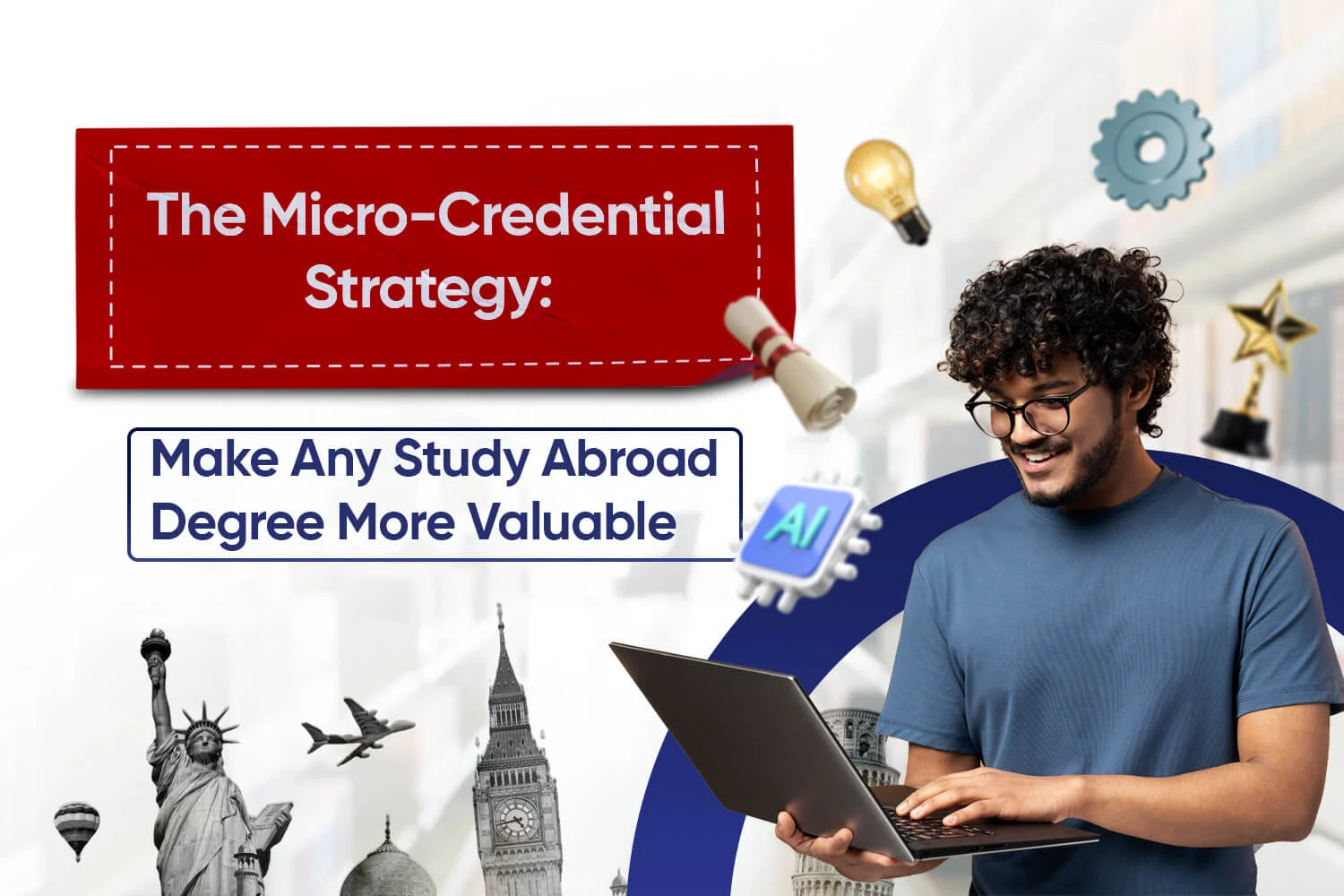
For the modern student studying abroad, a world-class degree is the destination, but it's no longer the only stop on the journey. The 2026 graduate needs a dynamic portfolio of skills that shouts "hire me" in any global job market. Enter micro-credentials and digital badges: your new toolkit for building a competitive, future-proof career while you earn your degree. Think of them as targeted skill-boosters that complement your main studies, giving you verified proof of exactly what you can do.
What Exactly Are Micro-Credentials and Digital Badges? A Simple Guide
Let's break down the jargon. A micro-credential is a short, focused certification that proves you've mastered a specific skill or competency. Unlike a broad degree, it might take weeks or months to complete and focuses on a single area like data analytics, intercultural communication, or a new programming language.
Once you earn a micro-credential, you often receive a digital badge. This is more than just a pretty icon for your social media. It’s a verifiable, clickable credential packed with data. Anyone (like a future employer) can click it to see who issued it, what you did to earn it, and even samples of your work, making your skill claims 100% trustworthy.
In short: the micro-credential is the learning achievement, and the digital badge is the shareable, verifiable proof.
Why Every Study Abroad Student Should Consider This "Skills Stacking" Strategy
In a fast-changing global economy, employers want proof of specific, job-ready abilities. Micro-credentials allow you to "stack" targeted skills onto your degree, directly answering that demand. Here’s why they are a perfect match for your international education:
Showcase Your Global Edge: While abroad, you're already developing adaptability and cross-cultural skills. Complement these with micro-credentials in global leadership or intercultural competence to formally prove these highly sought-after talents to employers.
Fill Knowledge Gaps on Your Own Terms: Found a gap in your degree curriculum? A micro-credential lets you fill it without changing your major. Want to add digital marketing to your business degree or sustainability principles to your engineering course? There’s likely a micro-credential for that.
Get Noticed by Employers: Digital badges make your skills visible. You can add them to your LinkedIn profile, digital resume, and even your email signature, allowing recruiters to instantly verify your expertise. Surveys show a growing number of employers value and recognize these credentials.
Learn with Flexibility: Most micro-credentials are offered online and are self-paced. This means you can skill-up during semester breaks, weekends, or alongside your regular studies without disrupting your travel or cultural exploration.
Your Action Plan: How to Choose and Earn Valuable Credentials
With thousands of options, choosing the right program is key. Follow this simple checklist:
Align with Your Goals: Start with your career target. What specific skills are listed in those dream job descriptions? Choose credentials that directly build those abilities.
Check the Source's Reputation: Prioritize credentials from reputable sources—your host university, recognized online platforms (like Coursera or edX), or well-known industry bodies. The issuer's name adds weight to the badge.
Understand the Commitment: Be realistic about your time. Look at the program length and workload to ensure it fits comfortably with your study abroad schedule. It's better to excel at one credential than to struggle with three.
Verify the Value: Before enrolling, see if the credential is recognized in your target industry. A quick search on LinkedIn to see if professionals in your field display similar badges can be very telling.
Navigating the Potential Pitfalls: A Smart Student's Guide
This approach is powerful, but requires smart strategy. Be aware of these common challenges:
Avoid Overloading Yourself: Your primary goals are academic success and cultural immersion. Don’t let micro-credentials distract you from the unique, life-changing experience of living abroad. One well-chosen credential per semester is a sensible goal.
Quality Over Quantity: The market is growing, and not all credentials are equally respected. Focus on the quality and relevance of the skill, not just collecting badges.
They Complement, Don't Replace: A micro-credential is a powerful supplement to your degree, not a substitute for it. The deep knowledge, critical thinking, and professional network from your university remain invaluable.
Conclusion: Build Your Unique Professional Passport
Studying abroad in 2026 is about more than just geography—it's about strategically building your future. By thoughtfully integrating micro-credentials, you move from being a graduate with a degree to a standout candidate with a verified portfolio of in-demand, global skills.
Think of each digital badge as a stamp in your professional passport, proving you have exactly what it takes to thrive anywhere in the world. Start planning your skill-stacking journey today to graduate not just educated, but exceptionally employable.
Ready to build your global career strategy?
Explore how to translate international experience into job offers with our guide on Study Abroad Programs with Built-in Paid Internships.
For personalized advice on choosing the right university and program to support your goals, consider booking a Free Strategy Session with a PupilAbroad Advisor.